Rustic pendant lights are a type of lighting fixture that evokes a sense of natural beauty, simplicity, and often, a connection to artisanal craftsmanship. They are frequently chosen for their ability to complement and enhance the aesthetic of country-style homes, adding warmth and character to interior spaces. This article explores the characteristics, materials, design variations, and considerations for incorporating rustic pendant lights into a country home.
Rustic design, in the context of home decor, is rooted in the appreciation of natural elements and a less polished, more organic feel. It often draws inspiration from rural environments, farmhouses, and cabins.
The Emphasis on Natural Materials
A cornerstone of rustic design is the prominent use of materials found in nature. This can include:
- Wood: Unfinished, reclaimed, or lightly Condepot treated wood is a staple. Think of weathered oak, pine, or even branches. This provides a raw, earthy texture.
- Metal: Iron, copper, bronze, and wrought iron are commonly employed. These metals often have a patina or a slightly aged appearance, avoiding the high shine of modern finishes.
- Glass: Frosted, seeded, or textured glass is preferred over clear, flawless glass. This diffuses light and adds to the handmade feel.
- Other Natural Elements: Elements like leather, rope, burlap, and even hand-blown glass can be incorporated, further reinforcing the connection to nature and traditional crafts.
The Color Palette of Rustic Interiors
The color palette associated with rustic design tends to be muted and earthy. This includes:
- Warm Neutrals: Browns, creams, beiges, and off-whites form the base.
- Earthy Tones: Deep greens, terracotta, and muted blues can be used as accent colors.
- Natural Wood Tones: The inherent colors of the wood used in fixtures and furnishings are left largely unadulterated.
Embracing Imperfection and Authenticity
Unlike minimalist or contemporary styles that often strive for flawless surfaces and sharp lines, rustic design embraces imperfections. Scars on wood, slight variations in metalwork, and the unevenness of hand-blown glass are not seen as flaws but as indicators of authenticity and craftsmanship. Each piece tells a story, much like a well-worn tool or a handcrafted piece of furniture.
Key Characteristics of Rustic Pendant Lights
Rustic pendant lights are not a monolithic category; they exhibit a range of features that define their aesthetic. They act as functional art pieces, guiding the eye and illuminating the space.
Form and Silhouette
The shapes of rustic pendant lights often mimic natural forms or traditional functional objects.
- Lantern Styles: Many rustic pendants are designed to resemble old-fashioned lanterns, using metal frames and glass panels. These can range from simple rectangular boxes to more ornate, multi-faceted designs.
- Bell and Dome Shapes: Pendants with bell or dome-shaped shades, often made of metal or wood, are common. These can provide a more focused downward light.
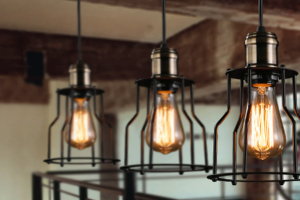
- Cage Designs: Metal cages, sometimes enclosing a single bulb or a cluster of bulbs, offer an industrial-yet-rustic appeal. They protect the light source while adding visual texture.
- Branch and Organic Forms: Some avant-garde rustic designs incorporate elements that mimic tree branches, antlers, or other organic shapes, creating a truly unique statement.
Scale and Proportion
The size of a rustic pendant light should be considered in relation to the space it will occupy.
- Over Dining Tables: Larger, more substantial pendants are often suitable for illuminating dining tables, providing both light and a focal point for the room.
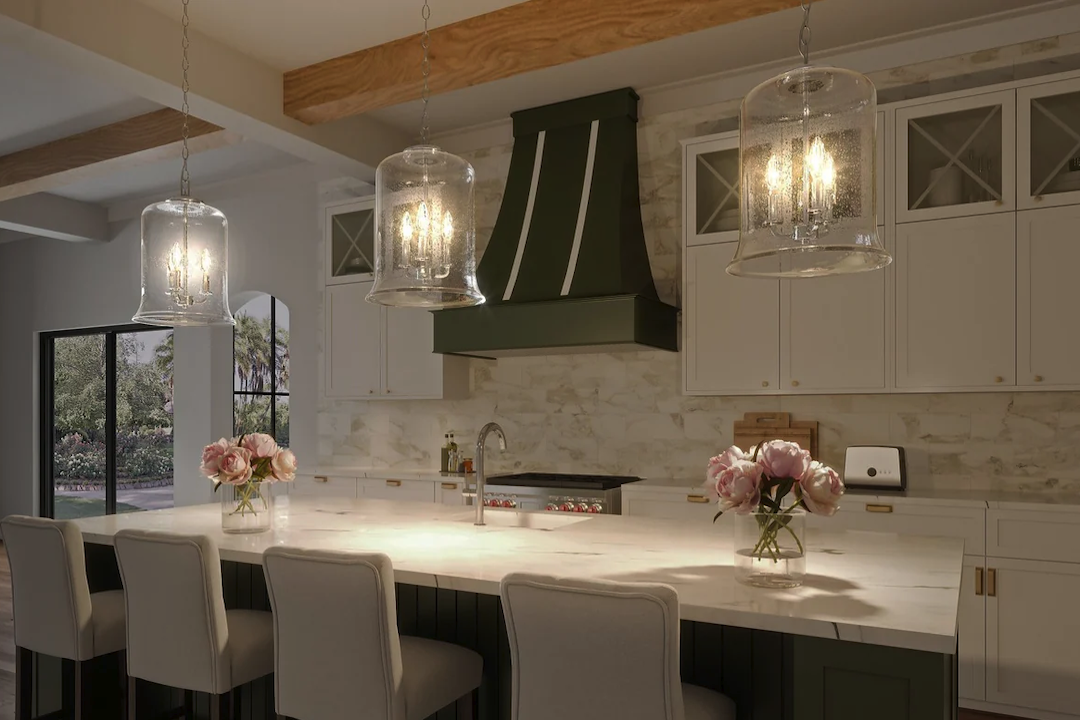
- In Kitchens: Smaller clusters of pendants over an island or a single pendant above a sink can add functional charm.
- In Entryways: A welcoming, appropriately sized pendant can set the tone for the entire home.
The Role of Light Diffusion
Rustic pendant lights often prioritize diffused or ambient lighting over harsh, direct illumination.
- Frosted and Seeded Glass: This type of glass softens the light, creating a warm and inviting glow. Seeded glass, with its small bubbles, adds an extra layer of texture.
- Metal Shades: Metal shades direct light downwards, creating focused pools of light ideal for task lighting, while the material itself contributes to the warm ambiance.
- Open Designs: Lanterns and cage-style pendants allow light to escape in all directions, contributing to overall ambient illumination.
Popular Materials Used in Rustic Pendant Lights
The choice of materials significantly impacts the overall rustic character of a pendant light. The materials are the foundation upon which the aesthetic is built.
Wood as a Primary Element
Wood is arguably the most defining material in rustic pendant lighting.
- Reclaimed Wood: Sourced from old barns, fences, or furniture, reclaimed wood carries inherent character – nail holes, knots, and weathered textures. This adds a sense of history and sustainability.
- Solid Wood: Untreated or lightly stained solid wood, such as oak, pine, or maple, can be carved, shaped, or left in its natural state. The grain patterns become a design feature in themselves.
- Driftwood and Natural Branches: These less processed forms of wood bring an organic, untamed quality. They can be used as structural elements or decorative accents.
Metals with a Matured Patina
Metals in rustic lighting are chosen for their durability and their ability to develop character over time.
- Wrought Iron: This heavy, hand-forged metal is a classic choice, lending itself to intricate scrollwork, robust frames, and a deep, matte black or brown finish.
- Aged Bronze and Copper: These metals often have a chemical or natural patina applied to give them an antique appearance. The variations in color and texture are desirable.
- Brushed Nickel and Oil-Rubbed Bronze: While these are often considered softer finishes, when incorporated into a rustic design, they tend to have a matte, less reflective quality that complements the overall aesthetic.
Glass with Subtle Textures
Glass in rustic pendants is not about perfect clarity but about how it manipulates light.
- Seeded Glass: Tiny air bubbles trapped within the glass create a dappled effect when light passes through, mimicking the imperfections of handcrafted glass.
- Frosted Glass: This treatment diffuses light, softening shadows and creating a warm, inviting ambiance. It can be applied to the entire shade or parts of it.
- Amber or Tinted Glass: Warm amber hues can enhance the cozy feel of a space, while other subtle tints can add depth and visual interest.
- Hand-Blown Glass: The subtle imperfections and unique swirls inherent in hand-blown glass contribute significantly to the authentic, artisanal feel of rustic pendants.
Incorporating Other Natural Touches
Beyond wood, metal, and glass, other materials can elevate the rustic appeal.
- Leather Accents: Straps, collars, or even small decorative elements made of leather can add a touch of texture and a nod to equestrian or artisanal traditions.
- Rope and Twine: Natural fibers like jute or hemp can be used as decorative wraps, hanging mechanisms, or even woven into shade elements.
- Burlap: While less common for the primary shade material, burlap can be used for subtle accents, adding a rough, natural texture.
Design Styles Within Rustic Pendant Lights
Rustic pendant lights can be categorized by their stylistic influences, often drawing from specific historical or geographical aesthetics.
Farmhouse and Americana Styles
These styles are characterized by their simplicity, functionality, and a sense of nostalgic comfort.
- Barn Lights: Often featuring a gooseneck arm and a simple, flared metal shade, these lights are directly inspired by lighting found in agricultural settings. They provide a strong downward light.
- Mason Jar Pendants: Repurposing Mason jars into pendant lights offers a charming, DIY-inspired rustic aesthetic. They are typically used with exposed bulbs or simple shades.
- Utilitarian Designs: Simple metal domes, clear glass globes, and exposed bulbs are common, emphasizing practicality over ornamentation.
Lodge and Cabin Styles
These styles evoke images of mountain retreats and cozy cabins, often incorporating elements inspired by the outdoors and wilderness.
- Antler Chandeliers and Pendants: While often more elaborate, some simplified antler designs or pendants with antler motifs can fit a rustic lodge aesthetic.
- Timber Frames and Wood Accents: Pendants that feature rough-hewn wood beams, turned wooden elements, or dark, natural wood finishes are typical.
- Natural Textures: Incorporating materials like faux fur, natural stone, or woven fabrics in complementary pieces can enhance this style.
Industrial Rustic Blends
This sub-category merges the raw, functional elements of industrial design with the warmth and natural materials of rustic aesthetics.
- Exposed Bulbs and Edison Bulbs: The vintage-inspired Edison bulb, with its visible filament, is a key component of this style, providing a warm, ambient glow.
- Metal Cage Designs: As mentioned, metal cages are a strong industrial element that also fits well within a rustic context, especially when made of darker metals or with a distressed finish.
- Conduit and Pipe Fittings: Some designs incorporate exposed metal piping and fittings, reminiscent of early industrial lighting systems, but often softened with wood accents or warmer metal finishes.
French Country and European Rustic Influences
These styles often incorporate a touch more elegance and a slightly more refined approach to rustic elements.
- Wrought Iron Scrolls and Details: While still rustic, these designs may feature more delicate scrollwork and decorative flourishes than their American farmhouse counterparts.
- Candle Sconces and Chandelier Styles: Pendants designed to mimic traditional candle sconces or small, multi-armed chandeliers with a distressed metal finish are indicative of this style.
- Deeper Wood Tones and Antique Finishes: Richer, darker wood tones and antique metal finishes are often favored, contributing to a sense of timeless elegance.
Functional Considerations for Rustic Pendant Lights
Beyond aesthetics, practical aspects are crucial when selecting and installing rustic pendant lights. A well-chosen light fixture is a marriage of form and function.
Light Output and Lumens
The intended purpose of the space will dictate the required light output.
- Ambient Lighting: For general illumination, pendants with wider shades or multiple bulbs are suitable. Consider the lumen output to ensure the space is adequately lit without being overly bright.
- Task Lighting: For areas where detailed work is performed, such as a kitchen island or a reading nook, pendants that direct light downwards efficiently are necessary.
- Accent Lighting: Pendants can also be used to highlight specific architectural features or decorative elements.
Dimmer Compatibility
The ability to control the intensity of light is essential for creating different moods and optimizing energy efficiency.
- Mood Setting: Dimmer switches allow you to adjust the lighting from bright and functional for cooking or working to soft and intimate for dining or relaxing.
- Energy Savings: Reducing light output with a dimmer also reduces energy consumption.
- Bulb Type: Ensure the chosen pendant lights are compatible with dimmer switches. Many LED bulbs are now dimmable, offering an energy-efficient option.
Bulb Type and Efficiency
The type of bulb used in a rustic pendant light can significantly affect its appearance and energy consumption.
- Incandescent Bulbs: These offer a warm, traditional glow but are less energy-efficient and have a shorter lifespan.
- LED Bulbs: Modern LED technology offers a wide range of color temperatures and is significantly more energy-efficient and longer-lasting. Look for “filament style” or “Edison style” LED bulbs to maintain the rustic aesthetic.
- Halogen Bulbs: These provide bright, crisp light but are also less energy-efficient than LEDs.
Installation and Placement
Proper installation ensures both safety and optimal lighting.
- Electrical Requirements: Ensure your home’s electrical system can support the new fixtures. Consult an electrician if necessary.
- Hanging Height: The ideal hanging height for a pendant light depends on its location and function. Over a dining table, the bottom of the pendant is typically 28-36 inches above the tabletop. In an entryway, it should be high enough not to obstruct passage, usually 7-8 feet from the floor.
- Professional Installation: For safety and proper functioning, especially with heavier fixtures or complex wiring, professional installation is often recommended.
Integrating Rustic Pendant Lights into Your Country Home
The successful integration of rustic pendant lights involves considering the overall design of your home and how these fixtures will contribute to its character. They should feel like natural extensions of the existing aesthetic, not as alien additions.
Matching with Existing Decor
The materials, colors, and styles of your rustic pendants should harmonize with your current furnishings and architectural elements.
- Color Coordination: If your home features a lot of natural wood tones, choose pendants with complementary wood elements. If you have wrought iron railings, a wrought iron pendant will create a cohesive look.
- Textural Harmony: If your textiles are rough and natural, such as linen or wool, choose pendants with similar unpolished textures.
- Scale and Proportion of the Room: A grand chandelier might overwhelm a small cottage, while a tiny pendant would be lost in a large open-plan space. The scale of the light fixture must be in balance with the scale of the room.
Creating Focal Points and Ambiance
Pendant lights are excellent tools for drawing the eye and shaping the mood of a room.
- Kitchen Islands and Dining Tables: These are natural locations for pendant lights to serve as both functional illumination and decorative centerpieces. A cluster of pendants can add visual interest to a large island.
- Entryways: A striking pendant light in an entryway creates an immediate impression and sets the tone for the home’s interior.
- Living Areas: While less common than in kitchens or dining rooms, a well-placed rustic pendant can add warmth and character to a seating area, perhaps above a coffee table.
The Importance of Complementary Elements
Rustic pendant lights do not exist in a vacuum. Their impact is amplified when surrounded by other appropriately styled elements.
- Furniture: Pairing rustic pendants with solid wood furniture, upholstered pieces with natural fabrics, and antique accent pieces will enhance the overall aesthetic.
- Wall Treatments: Textured walls, exposed brick, or shiplap can complement the materials and character of rustic lighting.
- Accessories: Incorporating natural elements like pottery, woven baskets, and botanical prints will further solidify the rustic theme.
By understanding the core principles of rustic design and the specific characteristics of rustic pendant lights, you can select fixtures that not only illuminate your country home but also contribute significantly to its warmth, character, and timeless appeal. They are the jewels in the crown of a thoughtfully designed rustic interior.