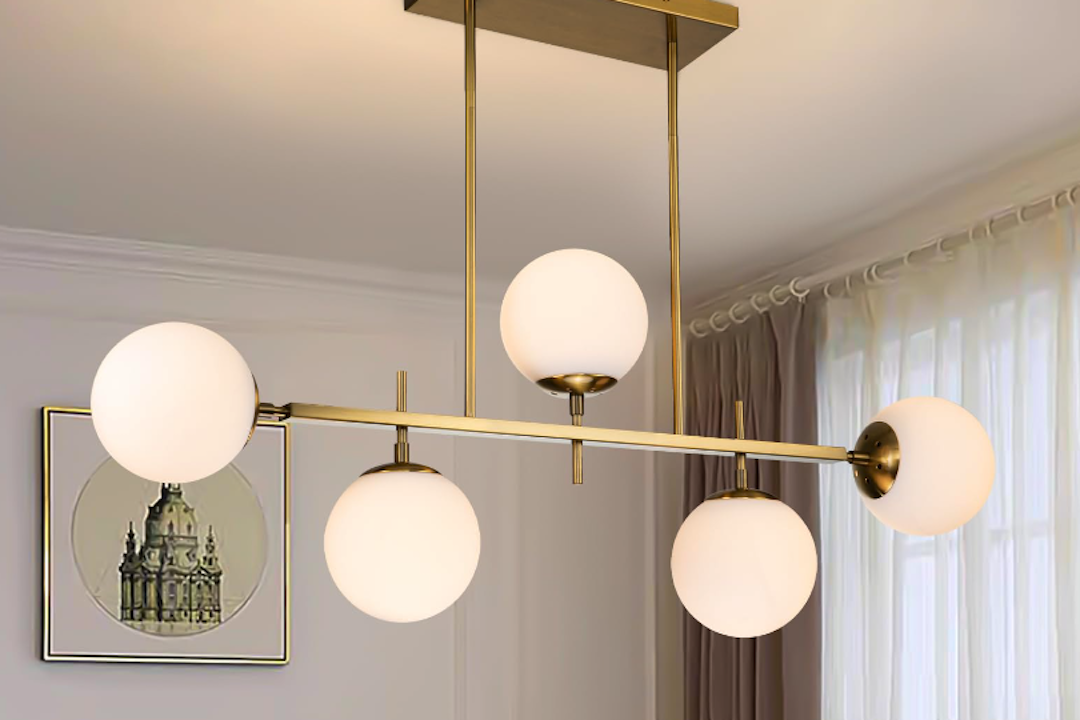
The “DIY Milk Glass Globe Chandelier: Pinterest-Worthy Lighting” is a contemporary interpretation of a classic lighting fixture, emphasizing the use of readily available materials and basic crafting techniques. This project, frequently shared across various online platforms, particularly Pinterest, aims to provide a cost-effective and customizable alternative to commercially manufactured chandeliers. It combines the aesthetic appeal of milk glass globes with the structural simplicity of modern design, offering an approachable entry point into bespoke home decor.
Chandelier Xyzlightings design has evolved significantly over centuries, reflecting advancements in technology, changes in architectural styles, and shifts in societal tastes. Initially, chandeliers were functional, primarily designed to hold multiple candles, illuminating large spaces in castles and grand estates. Their construction often involved iron, bronze, and later, more elaborate materials like crystal and glass.
Early Chandelier Forms
The earliest chandeliers, dating back to the medieval period, were often simple wooden or metal crosses from which candles were suspended. These practical designs prioritized illumination over intricate aesthetics. As craftsmanship progressed, these fixtures became more ornate, incorporating decorative elements and evolving into symbols of wealth and status.
The Rise of Glass in Lighting
The introduction of glass as a primary material in chandeliers marked a significant turning point. Initially, clear glass was used to refract and amplify candlelight, creating dazzling displays. The development of opacified glass, including milk glass, in the 17th century brought new design possibilities. Milk glass, with its milky white, semi-translucent appearance, offered a softer, diffused light quality, distinct from the sharp sparkle of clear crystal. This material gained widespread popularity in the late 19th and early 20th centuries, particularly for lighting fixtures, due to its elegant appearance and ability to spread light evenly.
Modern Interpretations and DIY Culture
The contemporary DIY movement has embraced the aesthetics of vintage design, often seeking to recreate classic looks with modern materials and techniques. The milk glass globe chandelier project exemplifies this trend, bridging the gap between historical elegance and accessible home crafting. It represents a broader movement towards personalization and the creation of unique, hand-crafted items that reflect individual style. The “Pinterest-worthy” descriptor alludes to the project’s visual appeal and its suitability for sharing on social media platforms dedicated to home inspiration.
Deconstructing the Chandelier: Components and Design Principles
Understanding the fundamental components and design principles of a chandelier is crucial for successful DIY construction. A chandelier, at its core, is a suspended lighting fixture comprising a central support structure, multiple light sources, and decorative elements.
Essential Structural Elements
The foundational element of any chandelier is its central support. This component bears the weight of the entire fixture and facilitates its suspension from the ceiling. In DIY contexts, this can range from a metal pipe or a wooden disc to a repurposed object. Its strength and stability are paramount. Attached to the central support are arms or branches, which extend outwards to hold individual light sources. The arrangement and number of these arms dictate the chandelier’s overall silhouette and light distribution. For a milk glass globe chandelier, these arms typically are simplified, often consisting of electrical cords or thin metal rods.
Lighting Elements
The light sources are the functional heart of the chandelier. In this DIY project, these are typically standard light bulbs, frequently LED bulbs for energy efficiency and longevity. Each bulb is housed within a light socket, which provides electrical contact and often includes a threaded collar for attaching shades. The milk glass globes serve as decorative and light-diffusing elements. Their opacified nature softens the harshness of direct light, creating a warm and inviting ambiance. The size and shape of these globes significantly impact the chandelier’s visual character.
Electrical Considerations
Electrical safety is paramount in any lighting project. The chandelier requires a wiring harness to connect all light sockets to a single power source. This harness typically consists of electrical wire carefully routed through the support structure and arms. A canopy is used to cover the electrical box in the ceiling, providing a neat finish and often housing the wiring connections. Strain relief mechanisms are essential to prevent tension on electrical wires where they enter and exit components, mitigating the risk of damage.
Required Tools and Materials
The construction of a DIY milk glass globe chandelier necessitates a specific set of tools and materials. Careful selection and preparation of these items contribute to a successful outcome and ensure safety.
Material List
- Milk Glass Globes: The primary aesthetic element. Various sizes and shapes are available. The quantity will depend on the desired chandelier size.
- Light Sockets: E26 or E12 base, depending on the globes’ openings and desired bulb size. Keyless sockets, often with a threaded ring, are commonly used for a clean look.
- Electrical Wire: 18-gauge or 16-gauge stranded wire, rated for lighting applications. The amount depends on the number of globes and the length of each arm.
- Chandelier Canopy Kit: Includes a canopy cover, mounting bracket, and mounting screws, essential for ceiling installation.
- Central Support Structure: A metal pipe, a wooden disc, or a repurposed component like a shallow bowl can serve this purpose. Its integrity is crucial.
- Metal Tubing or Rods (optional): For creating rigid arms for the globes. Flexible options like braided electrical cords can also form arms.
- Wire Nuts or Wago Connectors: For securely splicing electrical wires.
- Light Bulbs: LED bulbs are recommended for energy efficiency and lower heat output. Consider their wattage and color temperature for desired ambiance.
- Zip Ties or Cable Clamps: For securing wires and maintaining neatness.
- Heat Shrink Tubing or Electrical Tape: For insulating splices and connections.
- Threaded Rod and Nuts (if using a pipe as central support): For securing the pipe to the canopy and for attaching light sockets.
- Wire Strippers/Cutters: Essential for preparing electrical wires.
- Screwdriver Set: For mounting and assembly.
- Drill and Drill Bits: For creating holes in the central support and for mounting the canopy.
- Ruler or Measuring Tape: For precise measurements.
- Safety Glasses: To protect eyes during drilling and wiring.
Tool Selection and Use
The judicious selection and proper use of tools are critical for both efficiency and safety. Wire strippers must be appropriate for the gauge of wire being used to avoid damaging the conductors. A multimeter can be a valuable tool for testing electrical continuity before powering the fixture. Gloves are recommended to protect hands during assembly. When drilling, selecting the correct drill bit for the material of the central support is paramount. For example, a metal drill bit for metal, and a wood drill bit for wood. Always ensure tools are in good working condition before use.
Step-by-Step Construction Process
The construction of a DIY milk glass globe chandelier can be broken down into several distinct phases, each requiring careful attention to detail for both aesthetic appeal and electrical safety.
1. Planning and Design
Before cutting or assembling anything, a detailed plan is essential. Determine the desired number of globes and their configuration (e.g., clustered, staggered, symmetrical). Sketching the design can help visualize the final product and identify potential challenges. Consider the overall diameter and height of the chandelier relative to the space it will occupy. This planning phase is the “blueprint” of your fixture.
2. Preparing the Central Support
The central support forms the backbone of the chandelier. If using a metal pipe, ensure it is cut to the appropriate length. Drill holes into the pipe for the electrical wires to exit to each globe arm, ensuring smooth edges to prevent wire abrasion. If using a wooden disc, drill pilot holes for screws or channels for wiring. The placement and size of these holes are critical for the even distribution of globe arms. Think of this as laying the “foundation” upon which the rest of the structure will be built.
3. Wiring the Light Sockets
Each light socket must be wired independently. Strip approximately half an inch of insulation from the ends of the electrical wires. Connect the “hot” wire (usually black) to the brass terminal and the “neutral” wire (usually white) to the silver terminal on each socket. Ensure tight connections. For sockets with a ground terminal, connect a green or bare copper ground wire. This step is about creating the “nervous system” that will carry power to each light.
4. Assembling the Globe Arms
If using rigid metal tubing for arms, thread the wired light sockets through them. Secure the sockets at the end of each arm, often using a threaded collar or set screw. If using flexible electrical cords as arms, determine the desired length for each arm and secure the wired sockets to their ends. Ensure adequate strain relief where the wires enter the arms. This phase creates the “limbs” that will hold the luminous globes.
5. Integrating Arms with the Central Support
Carefully feed the wires from each globe arm into the central support structure. Plan the internal routing of wires to minimize bulk and ensure a neat appearance. Secure each arm to the central support. For metal pipe, this might involve nuts and washers; for wood, screws. Once all arms are attached, gather all “hot” wires together and all “neutral” wires together. This is where the individual “limbs” become part of a unified “body.”
6. Final Electrical Connections and Testing
Using wire nuts or Wago connectors, securely splice all “hot” wires from the globes to a single longer “hot” wire that will travel to the ceiling electrical box. Do the same for the “neutral” wires. Ensure all connections are fully insulated with heat shrink tubing or electrical tape. Before mounting, use a multimeter to perform a continuity test to check for shorts or open circuits. Temporarily screw in light bulbs and connect the chandelier to a temporary power source (like an extension cord with an old plug) to test functionality. This is the “moment of truth” before permanent installation.
7. Mounting the Chandelier
Turn off power at the circuit breaker. Attach the chandelier mounting bracket to the ceiling electrical box according to the manufacturer’s instructions. Connect the “hot” wire from the chandelier to the “hot” wire from the ceiling, the “neutral” to the “neutral,” and the ground wire to the ground wire, again using wire nuts. Carefully tuck the wiring into the electrical box. Mount the chandelier’s canopy to the mounting bracket, securing it with screws. Finally, screw the milk glass globes onto their respective sockets. This is the “grand finale,” bringing the fixture to its intended home.
Safety Considerations and Best Practices
Electrical work inherently carries risks. Adhering to safety protocols and best practices is not merely a formality but a necessity for preventing injury and potential hazards like fire.
Electrical Safety Guidelines
Always disconnect power at the circuit breaker before beginning any electrical work. This is the cardinal rule. Never work on live circuits. Use a non-contact voltage tester to confirm that the power is off before touching any wires. All electrical connections must be secure and insulated to prevent short circuits. Use wire nuts or Wago connectors appropriate for the wire gauge and number of conductors. Over-tightening wire nuts can damage conductors, while loose connections can cause arcing and heat.
Ensure that all wiring is properly rated for the intended application and voltage. Using undersized wire can lead to overheating. Adhere to local electrical codes; if unsure, consult a licensed electrician. Code requirements are designed to ensure minimum safety standards. Implement strain relief mechanisms at points where wires enter or exit components to prevent stress on the electrical connections. This prevents wires from being pulled loose, which could expose live conductors. The chandelier must be properly grounded to prevent electric shock in case of a fault.
Structural Integrity
The chosen central support structure must be capable of safely bearing the total weight of the globes, sockets, wires, and any decorative elements. Overloading the support can lead to collapse. The mounting hardware used to attach the chandelier to the ceiling must be appropriate for the ceiling material and the fixture’s weight. Ceiling joists or adequate blocking are typically required for heavier fixtures. Regularly inspect the chandelier for any signs of wear, loose connections, or damage, particularly in the wiring.
Material Selection
Use materials that are non-flammable or flame-retardant where appropriate, especially around electrical components. Avoid materials that could degrade or become brittle over time, compromising the fixture’s integrity. Ensure that the light bulbs used do not exceed the wattage rating of the light sockets and wiring. Over-wattage bulbs can lead to overheating and fire hazards. LED bulbs are generally safer as they produce less heat than incandescent bulbs.
Professional Consultation
If you are unfamiliar with electrical work or are unsure about any aspect of the construction or installation process, consult a licensed electrician. This is not an admission of failure but a responsible approach to safety. An electrician can provide guidance, inspect your work, or perform the installation, ensuring compliance with safety standards. Treat electricity with respect; it is a powerful force that demands careful handling.