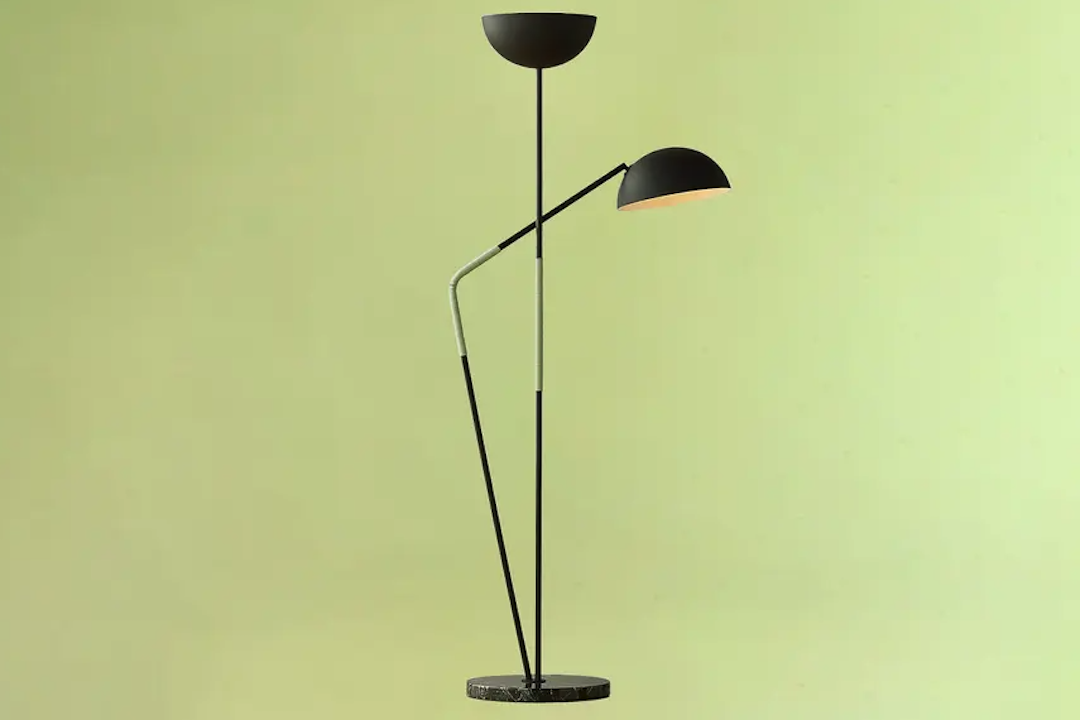
An adjustable black floor lamp with a reading light can be a practical addition to a living space. Its design often allows for customization of light direction and intensity, a feature that can adapt to various activities and moods. The “black” designation refers to the color of the lamp’s finish, which can complement a range of interior design aesthetics, from minimalist to contemporary. The “floor lamp” aspect indicates its freestanding nature, requiring no wall or ceiling mounting, making it a mobile lighting solution. The integrated “reading light” typically points to a more focused beam of illumination, distinct from the general ambient light of the main lamp, intended for tasks such as reading or crafting.
The structural components of an adjustable black floor lamp Fasuhouse with a reading light are engineered to provide both form and utility. The base, often weighted, serves as an anchor, ensuring stability. The main body, or pole, is typically a vertical element that supports the lamp head and, in some models, a separate, articulated arm for the reading light. The materials used in construction can vary, influencing the lamp’s durability and appearance. Common choices include metal alloys for the pole and base, and sometimes plastic or fabric for lampshades. The adjustability is a key feature, often achieved through flexible gooseneck arms, jointed poles, or swivel mechanisms. These allow the user to direct light precisely where needed, a task analogous to a skilled artisan shaping clay to achieve a desired form.
Material Composition and Finishes
The choice of materials for an adjustable black floor lamp directly impacts its longevity and aesthetic appeal. Steel, aluminum, and brass are common metals for the primary structure. Steel offers robustness and resilience, often finished with powder coating or electroplating to achieve the titular black hue. Aluminum, being lighter, can facilitate easier manipulation of adjustable parts, while brass, though less common for a “black” finish, can be treated to achieve a dark, matte appearance. The black finishes themselves can range from glossy and reflective to matte and understated, each offering a different visual texture and interaction with ambient light. Some lamps may incorporate accents of other materials, such as wood or chrome, to add subtle visual interest.
Articulation and Ergonomics
The adjustability of these lamps is their defining characteristic. The primary articulation points are usually found at the base of the reading light arm, the connection between the main pole and the reading light arm, and within the lamp head itself. This allows for a multi-directional adjustment of light placement. A gooseneck design for the reading light, for instance, offers almost limitless flexibility in directing the beam, resembling the uncoiling of a serpent to strike its target. Other models utilize telescopic poles or multi-jointed arms, enabling height and angle adjustments that cater to users of varying statures and seating positions. The ergonomics of these adjustments are crucial for user experience; controls should be accessible and adjustments should be smooth and secure, meaning the lamp holds its position once set, preventing unintended shifts.
Control Mechanisms
The operation of an adjustable black floor lamp is typically managed through a system of switches. These can range from simple inline toggle switches on the power cord to more sophisticated rotary dimmers or touch-sensitive controls located on the lamp’s body. Some advanced models may feature remote controls or smartphone app integration for wireless operation and scheduling. The presence of separate controls for the main lamp and the reading light is a common feature, allowing for independent operation and the creation of different lighting scenarios. This can be akin to a conductor leading different sections of an orchestra, each with its own cues and volume.
Lighting Versatility
The dual-light configuration of an adjustable black floor lamp with a reading light offers a significant advantage in creating varied lighting environments. The main lamp can provide general illumination, filling a room with a diffused glow, while the reading light focuses a more intense beam for specific tasks. This stratification of light is essential for preventing eye strain and enhancing the overall comfort and functionality of a space, much like layering clothing to adapt to changing temperatures.
Ambient Illumination
The primary light source of the floor lamp is designed to cast a broader light. This light can be directed upwards towards the ceiling to create indirect or “uplighting,” which softens shadows and provides an even wash of light across the room. Alternatively, it can be directed downwards through a diffuser to provide more direct, yet still generalized, illumination. The intensity of this ambient light can be adjusted in models equipped with dimmers, allowing the user to set the mood from bright and functional to subdued and relaxing. The quality of the ambient light, including its color temperature (warm or cool), can also influence the perceived atmosphere of the space.
Task-Specific Lighting
The integrated reading light is purpose-built for focused illumination. Its directional nature ensures that light is concentrated on a specific area, such as a book, a sewing project, or a desk. This minimizes glare on surrounding surfaces and reduces the need for higher overall room illumination, which can be energy-efficient. The intensity of the reading light is often adjustable as well, allowing users to fine-tune the brightness for optimal visibility. The ability to position this light precisely is paramount, ensuring it illuminates the intended task without casting awkward shadows or causing discomfort. This precision is akin to a surgeon’s scalpel, precise and effective in its application.
Color Temperature and Brightness
The color temperature of the light emitted by both the main lamp and the reading light can significantly impact the user experience. “Warm” light, typically between 2700K and 3000K, has a yellowish hue, creating a cozy and inviting atmosphere, often preferred for living rooms and bedrooms. “Cool” light, usually above 4000K, has a bluer tone, which can be more stimulating and is often recommended for task lighting where focus is required, such as in a study or workshop. Brightness, measured in lumens, dictates the overall light output. Lamps with adjustable brightness allow users to select the appropriate lumen output for different activities, from a subtle glow to a bright, functional beam.
Placement and Integration into Interior Design
The freestanding nature of an adjustable black floor lamp with a reading light allows for strategic placement in various locations within a home. Its visual presence can act as both a functional element and a decorative accent, contributing to the overall aesthetic. The black finish offers a neutral foundation, allowing it to blend into diverse color schemes or serve as a subtle point of contrast.
Corner Accents
Placing the floor lamp in a corner can illuminate an often underutilized area, transforming it from a dark recess into a functional zone. This is particularly effective in larger rooms where corners can feel empty. The light can highlight a decorative plant, a small bookshelf, or a comfortable armchair, creating a cozy reading nook or a visually appealing vignette. The lamp’s verticality can also draw the eye upwards, adding a sense of dimension to the room.
Beside Seating Areas
Positioning the lamp next to a sofa, armchair, or bed is a common and practical arrangement. This placement provides immediate access to light for activities such as reading, knitting, or simply relaxing. The reading light can be directed to illuminate the pages of a book held by someone reclining on the sofa, or to provide focused light for a person working at a nearby desk. The ability to adjust the lamp’s height and angle ensures comfortable illumination regardless of the seating height or the user’s posture.
Illuminating Transitional Spaces
Hallways and entryways can benefit from the added light and visual interest a floor lamp provides. In a hallway, it can prevent the space from feeling like a mere thoroughfare, adding warmth and directing movement. In an entryway, it can create a welcoming impression for guests and provide light for tasks such as putting on shoes or checking mail. The adjustable nature of the lamp allows the user to control the direction and intensity of light, avoiding glare in sometimes narrow or confined spaces.
Maintenance and Longevity
Proper care and maintenance are essential for ensuring the prolonged functionality and aesthetic appeal of an adjustable black floor lamp. Regular cleaning and occasional checks of its moving parts can prevent premature wear and tear, allowing the lamp to serve its purpose effectively for an extended period.
Cleaning the Fixture
Dust accumulation on the lamp’s surfaces can dull its finish and potentially affect its operation. Regular dusting with a soft, dry cloth is generally sufficient for maintaining the black finish. For more stubborn grime or smudges, a slightly damp cloth can be used, followed by immediate drying to prevent water marks. Avoid abrasive cleaners or solvents, as these can damage the finish. Cleaning the lampshade, if fabric, may require specific cleaning instructions depending on the material.
Checking Articulation Points
The moving parts of the lamp, such as the joints in the reading light arm or the swivel mechanisms, should be periodically inspected. Ensure that all adjustments move smoothly and hold their intended position. If joints become stiff, a small amount of lubricant, such as silicone spray, can be applied to the appropriate areas, following the manufacturer’s recommendations. Loose connections or excessive play in the articulation points might indicate a need for adjustment or repair, ensuring the lamp remains a reliable source of light.
Bulb Replacement and Energy Efficiency
When replacing bulbs, it is important to use bulbs that are compatible with the lamp’s wattage and socket type. For LED bulbs, consider their lumen output for brightness and their color temperature for desired ambiance. LED bulbs are generally more energy-efficient and have a longer lifespan than incandescent bulbs, contributing to both cost savings and environmental considerations. Ensuring the correct type of bulb is used is akin to using the right fuel for an engine; it ensures optimal performance and longevity.
Environmental Considerations and Smart Features
As technology advances, more adjustable black floor lamps are incorporating energy-saving features and smart functionalities. These innovations can enhance user convenience, reduce energy consumption, and contribute to a more sustainable lighting solution.
LED Technology Integration
The widespread adoption of LED technology in lighting fixtures has led to significant improvements in energy efficiency and bulb lifespan. LED bulbs consume considerably less electricity than traditional incandescent bulbs, translating into lower energy bills. Furthermore, their extended lifespan means fewer bulbs are discarded, reducing waste. Many adjustable black floor lamps now come equipped with integrated LED units, offering a long-term, low-maintenance lighting solution.
Smart Home Compatibility
The integration of smart home technology is an emerging trend in lighting design. Some adjustable black floor lamps can be connected to home Wi-Fi networks, allowing for control via smartphone applications or voice commands through smart assistants like Amazon Alexa or Google Assistant. This enables remote operation, scheduling of lighting on and off times, and even integration with other smart home devices for automated lighting scenarios. For example, the lamp could be programmed to dim automatically at a certain time of night or to turn on when a motion sensor is triggered.
Energy Saving Modes and Features
Beyond the inherent efficiency of LED technology, some lamps offer additional energy-saving features. These might include built-in timers that automatically switch off the light after a set period, or motion sensors that detect presence and activate the light only when needed. Dimmable functionality, allowing users to reduce the light output when full brightness is not required, also contributes to energy conservation. These features can be seen as intelligent management of resources, ensuring energy is used only when and where it is necessary.