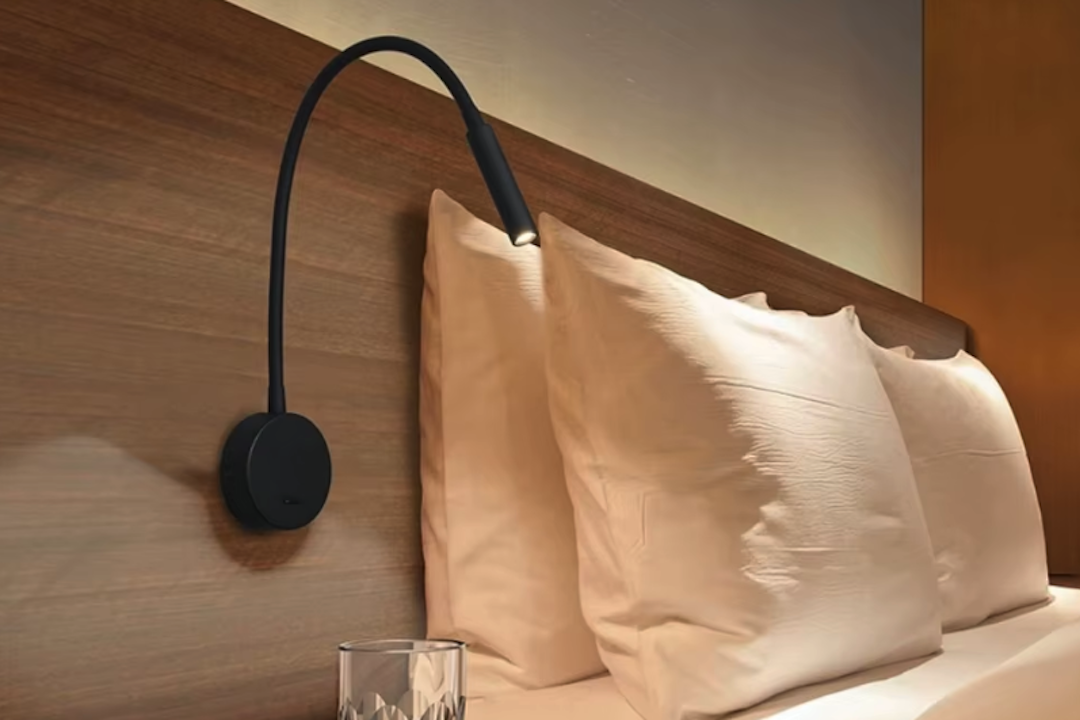
Looking for a solid bedside reading lamp? The “adjustable gooseneck design” refers to a type of lamp that has a flexible arm, similar to a goose’s neck, allowing you to position the light exactly where you need it. This core feature makes them incredibly practical for reading in bed, whether you’re a side sleeper, back sleeper, or prefer to sit up. No more straining your eyes or disturbing your partner with a wide beam of light.
Why Gooseneck? It’s Practical
Let’s face it, when you’re reading in bed, you want the light on your book, not the ceiling or your partner’s face. The gooseneck design handles this. You can bend, twist, and turn the lamp Xyzlightings head to direct the light beam precisely onto your reading material. This flexibility is what truly sets it apart from traditional lamps with fixed head positions. It’s direct, efficient, and saves you from contorting yourself just to get decent illumination.
Adjustability Isn’t Just for Direction
Beyond the physical positioning, many gooseneck reading lamps offer other adjustments. Things like brightness levels and color temperature are common. These additional features further enhance the usefulness of the gooseneck, allowing you to tailor the light not just to your book, but to your eyes and the time of day. This combination creates a truly personalized reading experience.
When you’re picking out a bedside reading lamp, the quality of the light itself is just as important as its physical flexibility. It’s not just about turning it on or off; it’s about getting the right kind of light for your eyes and your environment.
Understanding Brightness (Lumens)
We often think of watts when it comes to light bulbs, but for LED lamps, lumens are the more relevant measure of brightness. Lumens tell you how much visible light a bulb emits. For a bedside reading lamp, you want enough lumens to clearly see your text without causing eye strain, but not so many that it feels like midday in your bedroom.
What’s a Good Lumens Range?
For focused reading, somewhere between 200 and 500 lumens is generally a good starting point. This range provides ample light for most books and e-readers without being overly intense. Many gooseneck lamps offer adjustable brightness settings, allowing you to cycle through different lumen outputs. This is a significant advantage, as your ideal brightness might change depending on the book’s font size, paper quality, or even how tired your eyes feel. If you’re reading a large-print book, you might get away with fewer lumens, whereas a dense paperback with small type might call for something brighter.
Deciphering Color Temperature (Kelvin)
Color temperature, measured in Kelvin (K), describes the hue of the light. Lower Kelvin numbers (around 2700K-3000K) produce a warmer, yellowish light, similar to incandescent bulbs. Higher Kelvin numbers (around 5000K-6500K) produce a cooler, bluish-white light, closer to daylight. Each has its place.
Warm White for Relaxation
For an evening reading session, a warmer white light (2700K-3000K) is generally preferable. This type of light is less disruptive to your natural sleep cycle. Research suggests that exposure to blue light in the evening can suppress melatonin production, making it harder to fall asleep. Warm white light has less blue light content, making it a gentler choice for your pre-sleep routine. It creates a cozy and relaxing atmosphere, which is ideal for unwinding with a book.
Cool White for Focus
If you occasionally use your bedside lamp for other tasks, like journaling or working on puzzles, you might find a cooler white light (4000K-5000K) more helpful. This light tends to feel more energetic and can improve focus and alertness. However, for dedicated reading right before bed, stick to the warmer end of the spectrum to avoid disrupting your sleep. Some lamps offer adjustable color temperature, allowing you to switch between warm and cool tones. This feature provides the best of both worlds, letting you choose the appropriate light for different activities and times of day.
Powering Up: USB Charging Ports and Power Options
Modern bedside lamps are more than just light sources. Many now integrate extra features, turning them into practical bedside hubs. USB charging ports are a prime example of this evolution, adding a layer of convenience that’s hard to overlook.
The Convenience of Built-in USB Ports
Having a USB charging port directly on your lamp means one less wall charger needed. In a world where smartphones, tablets, e-readers, and smartwatches all rely on USB charging, consolidating these power sources makes a lot of sense.
Decluttering Your Nightstand
Think about your nightstand right now. Is it cluttered with charging cables, power bricks, and extension cords? A lamp with built-in USB ports can significantly reduce this mess. You plug your lamp into the wall, and then your devices plug directly into the lamp. This simple integration frees up valuable space on your nightstand and makes everything look tidier. It also means you’re less likely to knock over your glass of water reaching for a rogue charging brick.
Device Compatibility
Most bedside lamps come with standard USB-A ports, which are compatible with a vast array of devices. Some newer models might include a USB-C port, which offers faster charging for compatible devices and is becoming the new standard. When choosing a lamp, consider the types of devices you typically charge. If you have newer devices that support fast charging, look for a lamp that specifies higher amperage (e.g., 2.1A or more) for its USB ports, or includes a Power Delivery (PD) enabled USB-C port. This ensures your devices charge at a decent speed, not just a trickle.
Powering the Lamp Itself
Beyond charging your devices, consider how the lamp itself gets its power. The two main options are typically an AC adapter that plugs into a standard wall outlet, or, less commonly for reading lamps, battery power.
AC Power: Reliable and Steady
The vast majority of gooseneck bedside lamps are powered by an AC adapter. This means a consistent and reliable power source, ensuring your light doesn’t dim unexpectedly and your charging ports always work. The drawback is that it requires proximity to a wall outlet, but given it’s a bedside lamp, this usually isn’t an issue. Look for a lamp with a decent cord length to give you some flexibility in positioning.
Battery Power: For Ultimate Portability (Less Common)
While less common for dedicated bedside reading lamps, some smaller, more portable gooseneck lights are battery-powered. These are excellent if you need to move the lamp around frequently, perhaps from your bedside to a desk, or even outdoors for a camping trip. However, for a permanent bedside fixture, AC power is generally preferred due to its consistent output and no need for recharging the lamp itself. If you do opt for battery power, consider the battery life and whether it’s rechargeable, which is typically the case.
Design and Aesthetics: Beyond Functionality
While the primary function of a bedside reading lamp is to provide light, its design and aesthetics also play a role in your bedroom environment. It needs to fit in, both physically and visually, without being an eyesore or taking up too much precious space.
Finding the Right Footprint
Bedside tables can range from spacious surfaces to tiny, minimalist squares. The base of your gooseneck lamp needs to fit comfortably without making things feel cramped.
Compact Bases for Small Spaces
If your nightstand is on the smaller side, look for lamps with a compact or weighted base. Some designs are explicitly built to have a small footprint, maximizing the available surface area for other essentials like a glass of water, your phone, or a book you’re currently reading. A heavy base is a good sign regardless of size, as it helps prevent the lamp from toppling over when you adjust the gooseneck. You don’t want your lamp to be a balancing act.
Clamp-On Options for No Space
For truly limited spaces, or if you prefer a decluttered nightstand, a clamp-on gooseneck lamp is an excellent solution. These lamps attach directly to the edge of your headboard, nightstand, or a shelf, freeing up the entire surface. They come with various clamping mechanisms; some are simple spring clamps, while others screw on for a more secure fit. Ensure the clamp is wide enough for your furniture and has padding to prevent damage. This design is particularly useful if you want to keep your nightstand clear for other items or appreciate the minimalist aesthetic.
Material Choices and Finish
The materials and finish of your lamp contribute significantly to its overall look and feel. They should complement your room’s decor, rather than clashing with it.
Metals for Durability and Modernity
Many gooseneck lamps feature metal construction, often aluminum or steel, for the neck and base. This provides durability and a sleek, modern appearance. Finishes like brushed nickel, matte black, or classic bronze are popular choices that can fit into various interior design styles, from industrial to contemporary. Metal also contributes to a sturdy feel, which is important for a lamp that will be handled and adjusted regularly.
Plastics for Lightweight and Budget-Friendly Options
Plastic is also commonly used, especially for the lamp head or less critical structural components. High-quality plastics can be durable and offer a lighter weight, which can be a benefit if you plan on moving the lamp occasionally. They also allow for a wider range of colors and designs, often at a more accessible price point. When considering plastic, check reviews for reports on durability; a flimsy plastic lamp won’t last long, especially with frequent gooseneck adjustments.
Style Integration
Consider the existing style of your bedroom. Is it minimalist, rustic, industrial, or traditional? A lamp with a simple, clean design and neutral colors like black, white, or silver will often blend seamlessly. If your room has a specific theme, look for a lamp that subtly supports it. For example, a lamp with a bronze finish might suit a more traditional room, while a sleek black or white metal lamp could complement a modern aesthetic. The goal is for the lamp to feel like an intentional part of your space, not an afterthought.
Control and Usability: Making it Effortless
Beyond the core function of light and the overall look, how you actually interact with your lamp makes a big difference in its daily usability. A good reading lamp should be easy and intuitive to operate, especially when you’re half-asleep or simply want to quickly adjust the light.
Types of Controls
Gone are the days when a simple on/off switch was your only option. Modern gooseneck lamps offer a range of control methods, each with its own advantages.
Touch Controls for Modern Simplicity
Many contemporary gooseneck lamps feature touch-sensitive controls. These are usually integrated into the base or the lamp head itself. A light tap is all it takes to turn the lamp on or off, or to cycle through brightness and color temperature settings. The main appeal here is the minimalist aesthetic – no protruding buttons or switches. However, touch controls can sometimes be overly sensitive or, conversely, unresponsive if your fingers are slightly damp or you’re wearing gloves. They also might require a bit of muscle memory to find the right spot in the dark.
Physical Buttons and Dials for Tactile Feedback
Traditional buttons and dials offer clear, tactile feedback. You know exactly when you’ve pressed a button or turned a dial. Buttons are great for on/off functions and cycling through distinct settings, while a rotary dial provides a smoother, more granular control over brightness or color temperature. These are often easier to operate by feel in a dark room. The downside? They can sometimes be a bit clunky in their appearance, depending on the lamp’s design.
Remote Controls for Convenience
Some advanced gooseneck lamps come with a small remote control. This allows you to adjust all settings without even reaching for the lamp. If your nightstand is particularly cluttered, or if you have mobility issues, a remote can be a significant convenience. The main drawback is keeping track of the remote itself – it’s one more small item that can get lost in the bed sheets or on a busy nightstand. Batteries will also need changing eventually.
Memory Functions and Timers
Beyond basic controls, some lamps add smart features that enhance usability.
Remembering Your Settings
A memory function is a subtle but highly useful feature. This means the lamp will remember your last brightness and color temperature settings when you turn it back on. Imagine settling in bed, turning on your lamp, and having it return to your preferred warm, dim reading light immediately, instead of blasting you with bright, cool light. This saves you the hassle of readjusting every time you use it.
Built-in Timers for Sleepers
For those who tend to fall asleep while reading, a built-in timer can be a godsend. These allow you to set the lamp to automatically turn off after a certain period – a common option is 30 or 60 minutes. This prevents the lamp from staying on all night, saving energy and providing peace of mind. It’s also a gentle nudge to put the book down and get some rest.
Installation and Placement: Getting it Set Up
Once you’ve chosen your gooseneck lamp, the next step is getting it set up in your bedroom. While most are straightforward, considering placement and installation can save you some headaches and ensure you get the most out of your new light.
Plug-and-Play Simplicity
The majority of gooseneck bedside reading lamps are designed for immediate use. You typically just take them out of the box, position them on your nightstand or clamp them in place, and plug them into a wall outlet. This often involves connecting an adapter or simply plugging in the lamp’s cord.
Cable Management Considerations
Even with simple setup, think about the power cable. Is it long enough to reach your nearest outlet without stretching across the floor or impeding movement? If your nightstand is far from an outlet, you might need an extension cord, which then adds to potential clutter. Some lamps have channels or clips for cable management integrated into their base or arm, which can help keep things tidy. A well-placed cable is less likely to be tripped over, snagged, or chewed by pets.
Optimal Positioning for Reading
The beauty of the gooseneck is its adjustability, but getting the initial placement right still matters.
Above and Slightly Behind
For most effective reading, position the lamp so the light source is above and slightly behind your reading material. This minimizes glare on the page and prevents shadows created by your head or hands. The gooseneck allows you to angle the light specifically onto your book, not broadly across the room. Experiment with the height and angle – a good starting point is usually with the light head a foot or so above your book.
Avoiding Direct Glare into Eyes
While you want the light on your book, you certainly don’t want it shining directly into your eyes. The gooseneck’s flexibility allows you to direct the beam narrowly. Adjust the lamp head until the light covers your reading area comprehensively without spilling over into your peripheral vision or, more importantly, your partner’s sleeping space. This is where a focused beam is more effective than a wide, diffused light.
For Clamp-On Lamps: Secure Attachment
If you opted for a clamp-on model, ensuring a secure and stable attachment is key.
Headboard or Nightstand Lip
Clamp-on lamps are usually designed to attach to a flat edge, like the top of a headboard, a shelf, or the lip of a nightstand. Before clamping, check the thickness of your furniture to ensure it’s within the lamp’s clamping range. Too thick, and it won’t fit; too thin, and it might not hold securely.
Preventing Damage
Many clamp mechanisms come with rubber pads or felt lining. Make sure these are in place to protect your furniture from scratches or indentations. Tighten the clamp firmly, but don’t overtighten to the point of potentially damaging your furniture. Give the lamp a gentle tug to confirm it’s stable and won’t wobble or fall off during use. The gooseneck will be doing most of the moving, so the base needs to be rock solid.