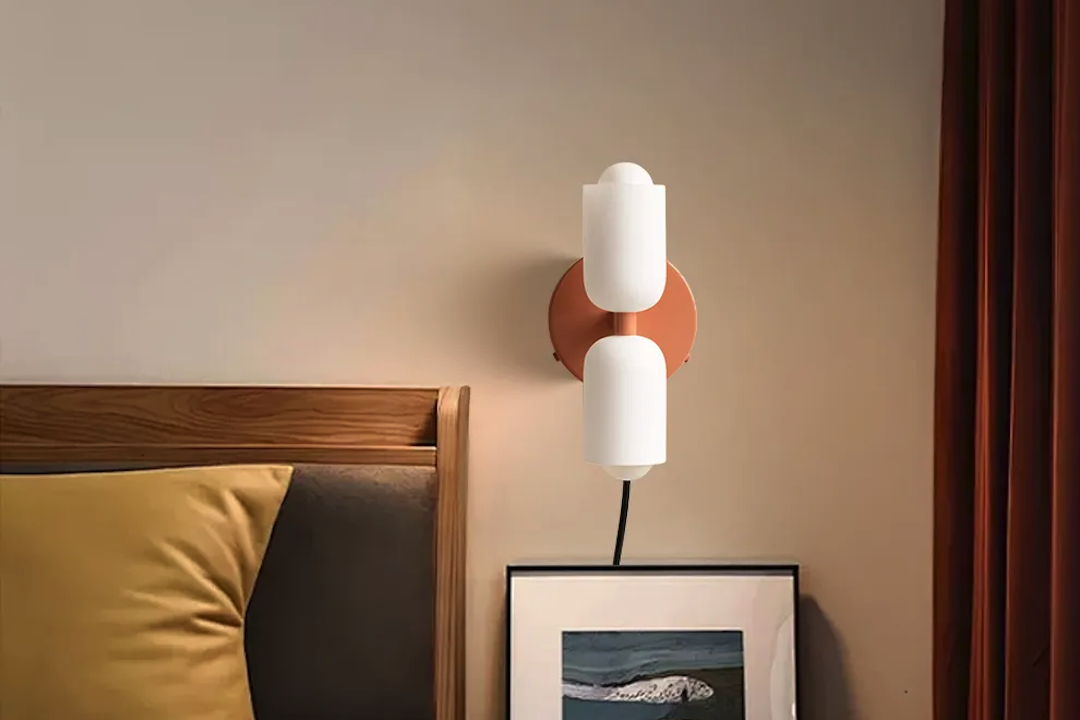
Are you a renter looking to spruce up your bedroom without losing your security deposit? The good news is, you absolutely can! One excellent option for adding a touch of style and practicality is a plug-in fabric shade wall lamp. This isn’t some complex electrical installation; it’s a simple, effective way to enhance your lighting and decor without drilling into walls or hiring an electrician. These lamps are designed with renters in mind, offering a versatile and attractive lighting solution that you can easily take with you when you move.
Why Go Plug-In? The Rental-Friendly Advantage
As a renter, modifying your living space often feels like navigating a minefield of lease agreements and potential fines. That’s where “rental-friendly” solutions shine, and plug-in fabric shade wall lamps Fasuhouse are a prime example. The biggest advantage is, of course, the “plug-in” aspect. This eliminates the need for hardwiring, which means no cutting into walls, no elaborate electrical work, and no angry landlord staring at a hole in the plaster. You simply find an outlet, plug it in, and you’re good to go. This makes them incredibly flexible. You can move them around your room, use them in different rooms of your home, or pack them up and take them to your next place without any fuss. No lasting commitment, just adaptable illumination.
Understanding the Basics: What Defines a Plug-In Fabric Shade Wall Lamp?
Before diving into choices, let’s break down what we’re actually talking about. A “plug-in fabric shade wall lamp” is exactly what it sounds like: a light fixture that mounts to the wall, features a shade made of fabric, and connects to power via a standard electrical plug. It’s distinct from hardwired sconces that require professional installation and permanent wiring.
Deconstructing the Components
- The Wall Mount: This is the part that attaches to your wall. For rental-friendly options, this usually means an adhesive backing, a lightweight design meant to hang from a single picture hook, or a simple screw-in mount if your lease allows minor wall penetrations.
- The Arm/Neck: This can range from a fixed, short arm to a long, articulated swing arm. The arm determines how far the light extends from the wall and how adjustable it is.
- The Fabric Shade: This is where a lot of the aesthetic appeal lies. Fabric shades diffuse light beautifully, creating a softer, warmer glow than exposed bulbs or metal shades. They come in countless shapes, sizes, and colors.
- The Cord and Plug: This is the magic ingredient for renters. A visible cord runs from the lamp down to a standard wall outlet. Many designs now include integrated cord covers or braided fabric cords for a cleaner look.
- The Switch: Often located on the cord itself (an inline switch) or directly on the lamp’s base, providing easy access to turn the light on and off. Some even incorporate dimmer switches for more control.
Aesthetic Considerations: Styling Your Space
Beyond just providing light, a plug-in fabric shade wall lamp is a legitimate piece of decor. It can enhance the mood, define a zone, or add a pop of color or texture to your bedroom. Thinking about your existing decor and the overall vibe you’re going for will help you make the best choice.
Matching Your Bedroom’s Vibe
- Minimalist & Modern: Look for lamps with clean lines, simple geometric fabric shades (think cylinders, squares, or flat ovals), and neutral colors like white, gray, or black. Metal accents in brushed nickel or matte black often complement this style.
- Bohemian & Eclectic: Here, you can get a bit more playful. Consider lamps with textured fabric shades (linen, woven materials), fringe, or unique patterns. Swing arm designs with natural wood elements can also fit well.
- Classic & Traditional: Opt for pleated fabric shades in more subdued colors like cream, beige, or soft pastels. Lamp bases with a bit more ornate detailing (but still simple to mount) in bronze or antique brass would be suitable.
- Industrial Chic: While fabric shades tend to soften things, you can still find options that lean industrial. Look for simple, drum-shaped fabric shades paired with matte black or dark bronze metal arms, perhaps with visible, braided cords.
The Role of Shade Shape and Color
The shape of your fabric shade drastically affects the light distribution and overall look.
- Drum Shades: Very popular and versatile. They offer diffused, ambient light in all directions, except directly up and down.
- Tapered or Cone Shades: Direct light more downwards, making them good for reading or task lighting.
- Empire Shades: A classic shape that adds a touch of traditional elegance.
- Square or Rectangular Shades: Offer a modern, structured look.
Color matters, too. A white or light-colored shade will provide brighter, more expansive light, while darker shades will create a cozier, more intimate atmosphere. Consider how the fabric color will look when the light is both on and off.
Practical Placement Ideas for Maximum Impact
One of the beauties of plug-in wall lamps is their versatility. Unlike fixed overhead lights, you can position them exactly where you need light, enhancing functionality and atmosphere.
Bedside Brilliance
- Replacing Nightstand Lamps: This is arguably the most popular and practical use. Mounting a wall lamp on either side of your bed frees up valuable nightstand space, making your room feel less cluttered. An articulating swing arm is particularly good here, allowing you to direct light precisely for reading.
- Headboard Lighting: If you have a low headboard or no headboard, mounting lamps just above your bed can create a hotel-like feel and provide excellent ambient light.
Defining Zones and Task Lighting
- Reading Nook: Pair a comfortable chair with a wall lamp mounted directly above or beside it. A lamp with a focused downlight will provide excellent illumination for your books without disturbing others.
- Vanity or Dressing Area: Position wall lamps on either side of a mirror to provide even, flattering light for getting ready. Look for shades that offer soft diffusion to avoid harsh shadows.
- Desk Area: If your bedroom doubles as a home office, a wall lamp above or beside your desk can supplement or replace a traditional desk lamp, again saving surface space.
Ambient Accent Lighting
- Hallway or Entryway (within the bedroom): Use a smaller wall lamp to add a warm glow to a less-used corner or a short hallway within your bedroom suite, enhancing the overall ambiance.
- Art or Feature Wall: Position two identical lamps on either side of a piece of art or a decorative mirror to highlight it and add symmetry.
Installation & Customization: Keeping it Rental-Friendly
This is where the rubber meets the road for renters. The goal is to get your lamp up and looking great without leaving any permanent marks.
Damage-Free Mounting Options
- Command Hooks/Strips: For lightweight lamps (especially those with a flat back), heavy-duty Command Picture Hanging Strips or Command Hooks can be a lifesaver. Ensure you check the weight limit – don’t overload them!
- Self-Adhesive Hooks: Similar to Command hooks, various brands offer adhesive hooks that can support a bit more weight. Again, follow the instructions carefully regarding surface prep and weight limits.
- Picture Frame Hooks/Nails: If your lease allows for small nail holes (often considered standard wear and tear), a single picture hook or small nail can easily support a lightweight wall lamp. Be discreet.
- Double-Sided Mounting Tape (Heavy Duty): For very flat, lightweight wall mounts, a strong double-sided mounting tape can work, but proceed with caution as it can sometimes pull paint if not removed carefully. Test a small area first.
Concealing Cords Creatively
The visible cord is usually the biggest “giveaway” that your lamp is plug-in. But you can minimize its visual impact effectively.
- Cord Covers (Adhesive): These are small, paintable channels that you stick to the wall, tucking the cord inside. They blend in beautifully, especially if painted to match your wall color.
- Clip-On Cable Organizers: Small, clear adhesive clips can guide the cord neatly down the wall, preventing it from dangling haphazardly.
- “Disguised” Cords: Some lamps come with stylish braided fabric cords in attractive colors, making the cord part of the aesthetic rather than an eyesore.
- Behind Furniture: strategically place furniture like a tall dresser or bookshelf to obscure the cord as it runs down to the outlet.
- Creative Arrangement: Sometimes, embracing the cord as an integral part of an industrial or eclectic look can work, especially if you get a lamp with a particularly stylish cord.
Bulb Choice Matters
Don’t overlook the bulb! It impacts both the light quality and energy efficiency.
- LED Bulbs: Always the best choice. They’re energy-efficient, long-lasting, and don’t produce much heat.
- Color Temperature: This refers to how warm or cool the light appears (measured in Kelvin).
- 2700K-3000K (Warm White): Best for bedrooms, creating a cozy, relaxing atmosphere.
- 3500K-4000K (Cool White/Neutral): Can be used for task lighting but might feel too stark for an entire bedroom.
- Brightness (Lumens): Don’t focus on wattage alone. Look at lumens. For ambient bedroom lighting, 400-800 lumens per lamp is usually sufficient. For reading, you might want closer to 800-1000 lumens.
- Dimmer Compatibility: If your lamp has a dimmer switch, make sure your LED bulb is dimmable.
Maintenance & Longevity: Keeping Your Lamp Looking Good
Once your lamp is up and looking fabulous, a little care will ensure it stays that way for years to come – and is ready for its next home.
Cleaning Your Fabric Shade
Fabric shades can accumulate dust and odors. Regular cleaning is a good idea.
- Dusting: A quick pass with a lint roller, a soft brush attachment on your vacuum cleaner, or a microfiber cloth is usually enough for weekly dusting.
- Spot Cleaning: For small marks, dab gently with a slightly damp cloth (plain water or a very mild, diluted fabric cleaner). Always test in an inconspicuous area first to ensure it doesn’t leave a water mark or discolor the fabric.
- Deodorizing: If your shade starts to smell a bit stale (common in bedrooms), you can lightly spray it with a fabric freshener, or even just spritz a little vodka solution (diluted with water) which evaporates odorless and removes odors.
Checking Electrical Components
While plug-in lamps are relatively simple, a quick visual check now and then is smart.
- Cord Condition: Look for any fraying, kinks, or damage to the electrical cord. If you see any, cease use immediately and replace the lamp.
- Plug Fit: Ensure the plug fits snugly into the wall outlet. A loose connection can be a fire hazard.
- Switch Operation: Make sure the inline or lamp-mounted switch operates smoothly without excessive force.
Bulb Replacement
Always ensure the lamp is unplugged before attempting to change a lightbulb. Refer to your lamp’s instructions for the maximum wattage/lumens it can safely handle. Using an LED bulb will significantly reduce how often you need to do this.
With these tips, your plug-in fabric shade wall lamp will not only elevate your rental bedroom’s style but also serve as a versatile and reliable lighting solution for many moves to come. Happy decorating!