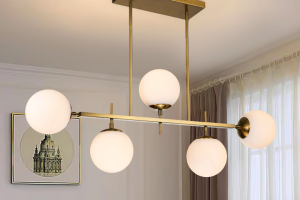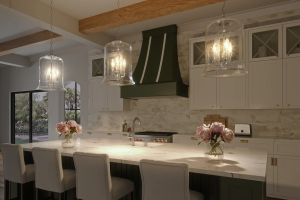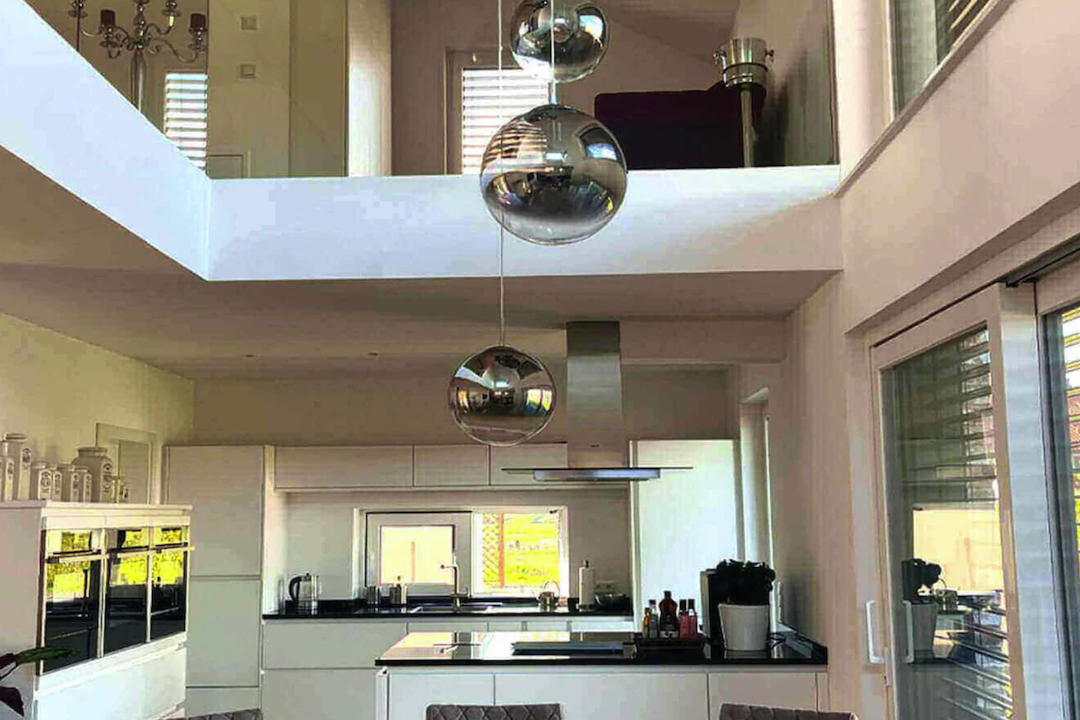
The Timeless Glass Light Fixture, a subject of increasing interest within sustainable design circles, represents a convergence of aesthetic endurance and ecological responsibility. This article explores the fixture’s characteristics, historical precedents, and contemporary relevance, examining its role in fostering sustainable illumination practices.
The core tenet of the Timeless Glass Light Idmhome Fixture lies in its design philosophy, which prioritizes longevity and aesthetic versatility over fleeting trends. Unlike disposable and quickly outdated luminaires, these fixtures are conceived as enduring elements within a built environment.
The Principle of Durability
At the heart of timeless design is durability. Glass, as a material, possesses inherent properties that contribute to this. It is non-corrosive, resistant to significant degradation from ultraviolet light, and relatively hard. When properly manufactured and installed, a glass light fixture can function for decades, often exceeding the lifespan of the electrical components it houses. This contrasts sharply with fixtures made from materials prone to rust, cracking, or discoloration, which require frequent replacement, generating waste.
Aesthetic Neutrality and Adaptability
A key factor in the “timeless” aspect is aesthetic neutrality. This does not imply a lack of character, but rather a design that seamlessly integrates into various architectural styles and evolving interior aesthetics. Consider a well-proportioned glass globe pendant; it can complement a Victorian interior just as effectively as a minimalist contemporary space. This adaptability reduces the likelihood of the fixture being discarded due to a change in design preferences. It is less a statement piece tied to a specific era and more a foundational element, a chameleon that shifts its perceived personality based on its surroundings.
Craftsmanship and Material Integrity
The enduring appeal is also rooted in craftsmanship. While mass production plays a role, many iconic glass fixtures originated from traditional glassblowing and fabrication techniques. This emphasis on skilled artistry often results in higher quality and attention to detail. The integrity of the material, whether blown, cast, or formed, is central. Imperfections are often celebrated as part of the material’s narrative, a testament to its creation rather than a flaw. This stands in stark contrast to synthetic materials designed for uniformity and low cost, which often lack inherent visual interest or tactile quality.
Historical Context and Evolution
Understanding the Timeless Glass Light Fixture requires a brief overview of its historical trajectory, illustrating its consistent presence across different eras of illumination.
Early Incarnations: Gas and Oil Lamps
Before electric light, glass played a crucial role in enhancing and containing illumination from gas and oil lamps. Chimneys were integral for directing airflow and protecting flames, while decorative shades diffused light and reduced glare. These early examples, often intricately cut or stained, laid the groundwork for the aesthetic and functional relationship between light and glass. The principles of light diffusion and protection remain relevant even with modern light sources.
The Electric Revolution and Art Nouveau
The advent of electricity ushered in a new era for glass light fixtures. Early electric lamps, often bare bulbs, necessitated diffusers. Designers of the Art Nouveau period, such as Louis Comfort Tiffany, elevated glass to an art form, creating elaborate stained-glass lampshades that were not merely functional but artistic statements. This period exemplified the potential of glass to transform light into a central decorative element, moving beyond simple utility.
Modernism and Industrial Influence
The early 20th century saw a shift towards simpler, more functional designs. The Bauhaus school, for example, emphasized clarity of form and material honesty. Industrial design, with its focus on mass production and efficiency, also influenced lighting. Clear glass or frosted globes, often spherical or cylindrical, became prevalent, embodying a minimalist aesthetic that focused on the interaction of light and form. This marked a move away from ornamentation towards a purer expression of light. The functional elegance of these designs has contributed to their lasting appeal.
Mid-Century Modern and Beyond
The mid-20th century, particularly the Mid-Century Modern period, saw a resurgence of interesting glass forms, often incorporating organic shapes and innovative manufacturing techniques. Designers experimented with different opacities and colors, creating fixtures that were both sculptural and functional. Today, this tradition continues with designers exploring new ways to manipulate glass, combining it with contemporary lighting technologies like LEDs, while still adhering to principles of lasting design.
Sustainable Attributes and Environmental Impact
The “sustainable illumination” aspect of the Timeless Glass Light Fixture is not merely a marketing claim but a consequence of its inherent design and material properties.
Extended Product Lifespan: Reducing Waste
Perhaps the most significant sustainable attribute is its extended product lifespan. By designing for durability and aesthetic neutrality, manufacturers and consumers actively reduce the frequency of replacement. This directly translates into less waste entering landfills. Consider the lifecycle of a typical plastic light fixture, often discarded after a few years due to breakage, discoloration, or outdated aesthetics. The Timeless Glass Fixture, by contrast, operates on a different temporal scale, acting as a slow, deliberate counterpoint to fast consumption. This is a fundamental shift from a linear “take-make-dispose” model to a more circular approach.
Recyclability of Glass
Glass is a highly recyclable material. When a glass light fixture does reach the end of its functional life, the glass component can be separated and recycled, often back into new glass products, provided proper collection and processing infrastructure exists. This closed-loop potential significantly reduces the demand for virgin raw materials and the energy associated with their extraction and processing. While the electrical components require separate recycling, the dominant material—glass—offers a sustainable end-of-life pathway. Compare this to composite materials or plastics that are difficult or impossible to recycle effectively.
Energy Efficiency Through Optimal Light Diffusion
While the fixture itself does not generate light, its design significantly impacts energy efficiency. Glass, particularly clear or thoughtfully frosted varieties, can diffuse light effectively without significant lumen loss. This allows for optimal distribution of light from the light source, minimizing the need for higher wattage bulbs to achieve desired illumination levels. A poorly designed diffuser might absorb too much light, requiring a brighter bulb and consuming more energy. The proper selection and shaping of glass can be considered a passive energy-saving measure, maximizing the output of the light source.
Repurposing and Upcycling Potential
Due to their robust construction and often classic forms, Timeless Glass Light Fixtures are good candidates for repurposing and upcycling. An antique fixture might be rewired to modern safety standards and fitted with energy-efficient LED bulbs, extending its utility for another generation. Disused industrial glass components can be creatively transformed into new lighting designs. This inherent flexibility in re-use contributes to a more resource-efficient economy, allowing the latent value within materials to be continuously unlocked, rather than prematurely discarded.
Integration of Modern Lighting Technologies
While glass fixtures have a venerable history, their sustained relevance in sustainable illumination hinges on their ability to integrate seamlessly with modern lighting technologies.
Compatibility with LED Light Sources
The rise of LED (Light Emitting Diode) technology has profoundly influenced lighting design and sustainability. Timeless Glass Light Fixtures are ideal candidates for housing LEDs. LEDs are highly energy-efficient, long-lasting, and produce less heat than incandescent bulbs. The robust construction of glass fixtures can easily accommodate LED retrofits, allowing older fixtures to be updated for modern energy standards. This synergy ensures that the aesthetic value of an existing fixture is preserved while its environmental footprint is dramatically reduced. It is a win-win scenario, marrying heritage with innovation.
Smart Lighting Systems Integration
Beyond simply housing LED bulbs, many contemporary glass light fixtures are designed to integrate with smart lighting systems. This allows for advanced control over brightness, color temperature, and scheduling, further enhancing energy efficiency and user comfort. Dimmability, for example, is easily achieved with compatible LEDs and smart controls, reducing energy consumption when full illumination is not required. The glass diffuser effectively distributes the controlled light from these advanced systems. Consider a dimmable glass pendant over a dining table, its light output precisely adjusted to the mood and activity.
Evolution in Glass Manufacturing for Efficiency
Advances in glass manufacturing also contribute to the sustainable profile. New processes focus on reducing energy consumption during production and incorporating recycled content. Specialized glass coatings can enhance light transmission or reduce glare, further optimizing the performance of the fixture. This continuous evolution in material science ensures that the Timeless Glass Light Fixture remains at the forefront of sustainable illumination, not just as a static historical artifact but as a dynamic participant in the future of lighting.
Practical Considerations for Selection and Maintenance
For those considering the Timeless Glass Light Fixture, understanding practical aspects of selection, installation, and maintenance is crucial to ensure its long-term sustainable contribution.
Assessing Quality and Authenticity
When selecting a Timeless Glass Light Fixture, whether new or vintage, discerning quality is paramount. Look for consistent glass thickness, smooth finishes (unless intentionally textured), and robust metal components for mounting and wiring. For antique or vintage pieces, examine the wiring for signs of degradation; retrofitting with new, safe wiring is often a necessary and worthwhile investment. Authenticity, particularly for designer pieces, often commands a premium, but the investment is often justified by the inherent quality and enduring design. Avoid flimsy constructions that mimic the appearance but lack the substance.
Installation and Electrical Safety
Regardless of the age of the fixture, professional installation is recommended. This ensures proper wiring, secure mounting, and compliance with local electrical safety codes. An incorrectly installed fixture can pose a fire hazard or electrical shock risk, undermining any sustainable benefits. Remember, while the glass may be timeless, the electrical components have a finite lifespan and require proper handling. Safety should never be compromised. Treat electricity with the respect it commands.
Cleaning and Care for Longevity
Maintaining the aesthetic and functional integrity of a glass fixture requires simple but consistent care. Regular dusting with a soft cloth prevents buildup that can dim the light output. For more thorough cleaning, a mild glass cleaner and a soft cloth are usually sufficient. Avoid abrasive cleaners or harsh chemicals that can scratch the glass or damage metal finishes. For intricate designs, gentle brushing or compressed air can help remove dust from crevices. This minimal maintenance regimen directly contributes to the fixture’s long life, reducing the need for costly repairs or premature replacement.
Repairability and Component Replacement
A hallmark of sustainable design is repairability. Timeless Glass Light Fixtures are often designed in a way that allows for individual components to be replaced. Should a glass part break (though glass is durable, it is not indestructible), it may be possible to source a replacement, or have a replacement custom-fabricated, rather than discarding the entire fixture. Similarly, internal electrical components can be upgraded or repaired. This modularity extends the life of the entire system, a key principle of circular economy thinking. It is a testament to foresight in design, recognizing that even the most enduring objects may eventually require intervention.
In conclusion, the Timeless Glass Light Fixture transcends mere illumination; it embodies a philosophical approach to design that prioritizes longevity, aesthetic adaptability, and resource efficiency. By understanding its historical context, appreciating its sustainable attributes, and integrating it with modern technologies, we can harness its potential to create truly sustainable and enduring lighted spaces. It is not just about what illuminates a room, but how it illuminates our understanding of responsible design.