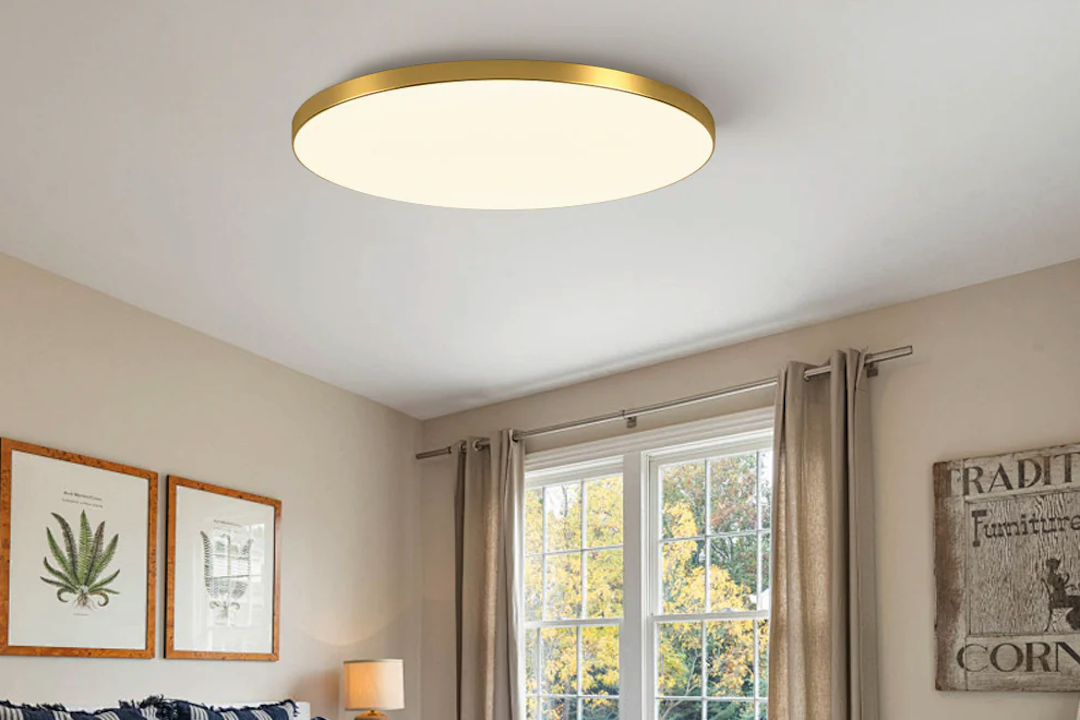
Looking for a ceiling light that won’t overwhelm your space and offers good, practical illumination? A modern minimalist round surface mount ceiling light might be exactly what you need. These fixtures are designed to provide effective lighting without drawing much attention to themselves, blending seamlessly into a variety of room styles. They’re a solid choice for anyone who values clean lines and fuss-free functionality in their home lighting.
Let’s break down what we mean when we talk about this specific type of light Yibil fixture. It’s more than just a fancy name; each part of the description points to a key characteristic.
The “Modern” Aspect
“Modern” here refers to contemporary design principles. Think clean lines, often geometric shapes, and a lack of ornate decoration. It’s about functionality and simplicity, rather than elaborate flourishes. This isn’t your grandma’s crystal chandelier; it’s designed to complement current interior trends.
The “Minimalist” Approach
Minimalism in design emphasizes paring down to essentials. For a light fixture, this means no unnecessary elements. The focus is purely on the light source and its housing, often resulting in a sleek, understated appearance. The goal is to make the light itself almost disappear, letting the illumination be the star.
“Round Surface Mount” Explained
This is the practical bit. “Round” is self-explanatory – these lights have a circular form. “Surface mount” means they’re installed directly onto the ceiling surface, rather than recessed into it. This is a big differentiator from recessed lights, which require cutting holes into the ceiling. Surface mount lights are generally easier to install and can be a good option if you have limited ceiling cavity space or just prefer a less intrusive installation process.
Why Consider One for Your Home?
There are several compelling reasons why a modern minimalist round surface mount ceiling light could be a good fit for your space. It’s not just about looks; there are practical benefits too.
Streamlined Aesthetics
One of the primary draws is the clean look. These lights don’t hog visual attention. They sit flush or nearly flush against the ceiling, offering a subtle presence that integrates rather than dominates. This is particularly useful in rooms where you want the focus to be on other design elements or where you simply prefer an uncluttered feel.
Versatility in Design Schemes
Because of their neutral design, these lights are incredibly versatile. They can work equally well in a contemporary living room, a Scandinavian-inspired bedroom, or even a functional laundry room. They don’t impose a specific style on the room, making them a safe and adaptable choice for various decor preferences.
Easier Installation than Recessed Lighting
Without the need to cut precise holes into your ceiling, surface mount lights are generally simpler to get in place. This can be a boon for DIY enthusiasts or if you’re looking to minimize installation costs by avoiding more complex electrical work. It also means less dust and disruption during the setup process.
Good for Lower Ceilings
If you have standard or even lower ceiling heights, bulky fixtures can make a room feel cramped. Surface mount lights, especially the low-profile minimalist ones, help maintain a sense of openness. They don’t hang down, preserving valuable head clearance and preventing visual clutter in the upper half of the room.
Key Features to Look For
When you’re actually shopping for one of these lights, there are several specific features to keep in mind. These will directly impact its performance and suitability for your space.
Integrated LED Technology
Most modern minimalist lights utilize integrated LED modules. This is a significant advantage. LEDs are known for their energy efficiency, meaning lower electricity bills. They also boast a much longer lifespan compared to traditional bulbs, reducing the frequency of replacements. Plus, they often offer consistent light output and can be dimmable.
Color Temperature Options (CCT)
The color temperature of a light, measured in Kelvin (K), dictates whether the light appears warm (yellowish) or cool (bluish).
- Warm White (2700K-3000K): Creates a cozy, inviting atmosphere. Ideal for living rooms, bedrooms, and dining areas.
- Neutral White (3500K-4000K): A balanced light that’s good for task-oriented areas like kitchens, offices, or bathrooms where you need good visibility without harshness.
- Cool White/Daylight (5000K-6000K): Crisp and bright, mimicking natural daylight. Suitable for utility rooms, garages, or spaces where high visual clarity is paramount.
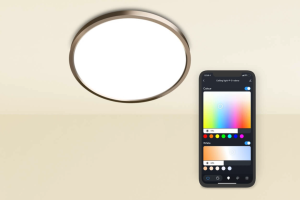
Some fixtures even offer tunable white technology, allowing you to adjust the CCT after installation, which is a great feature for flexibility.
Brightness (Lumen Output)
Brightness is measured in lumens, not watts (especially with LEDs).
- General Illumination: For an average-sized room, you might need anywhere from 1,500 to 3,000 lumens, depending on the room’s function and whether it’s the sole light source.
- Task Lighting: Areas like a kitchen counter or a desk might require higher lumen output directly over the workspace.
- Ambient Lighting: For mood-setting, lower lumen lights or dimmable options are helpful.
It’s a good idea to check lumen output specifications and consider the room size to ensure you’re getting adequate light.
Dimmability
Dimmable fixtures allow you to adjust the light intensity, which is a significant benefit for creating different moods or adapting to varying needs throughout the day. If you want this feature, ensure the fixture specifically states it’s dimmable and that you have a compatible dimmer switch installed.
Size and Profile
Measure your space. While these lights are generally low-profile, their diameter can vary widely. A large diameter fixture might look out of proportion in a small hallway, while a tiny one could get lost in a spacious living room. Consider the ceiling height too; even though they’re surface mount, a very deep fixture might still feel a bit intrusive in a very low-ceilinged room.
CRI (Color Rendering Index)
CRI measures how accurately a light source renders colors compared to natural daylight. A CRI of 80 or higher is generally considered good for residential applications. For areas where color accuracy is important (like a vanity mirror or an art studio), look for a CRI of 90+.
Where Do These Lights Shine?
The beauty of modern minimalist round surface mount lights is their adaptability. They can be effectively used in almost any room in the house, offering practical illumination without fuss.
Kitchens
In a kitchen, these lights provide excellent general ambient lighting. Paired with under-cabinet lighting or task-specific spotlights, they can create a well-lit and comfortable workspace. Their easy-to-clean surfaces are also a bonus in a kitchen environment.
Hallways and Entryways
These are often spaces where you want good, consistent light without anything hanging down to obstruct pathways or views. A surface mount light provides ample illumination for safe passage and welcoming entries without drawing undue attention.
Bedrooms
For a bedroom, a dimmable option is particularly valuable, allowing for bright light when getting ready and softer light for relaxation. Their unobtrusive design helps maintain a calm and uncluttered feel, which is often desirable in sleeping areas.
Bathrooms
With proper IP ratings (which denote resistance to water and dust), these lights are fantastic for bathrooms. They provide even illumination for grooming and generally blend into the background, letting your fixtures and finishes be the stars. Remember to check for a damp-rated or wet-rated certification if it’s going directly in a shower area.
Laundry Rooms and Utility Areas
In these functional spaces, strong, clear illumination is key. A modern minimalist surface mount light can provide the necessary brightness without being decorative, focusing purely on practicality.
Installation Considerations and Tips
While generally easier to install than recessed lights, there are still a few things to keep in mind for a smooth setup.
Safety First: Always Turn Off Power
Before touching any electrical wires, go to your circuit breaker and turn off the power to the circuit you’ll be working on. It’s a non-negotiable safety step. Use a voltage tester to confirm the power is off.
Check Current Wiring
Most surface mount lights are designed to connect to a standard junction box. Ensure your existing wiring is in good condition and that the junction box can adequately support the weight of the new fixture. While these lights are usually lightweight, it’s still good practice.
Read the Instructions Closely
Every fixture is a little different. Don’t assume you know how to install it. Take a few minutes to read the manufacturer’s specific instructions. They’re there for a reason and can save you headaches later.
Consider a Dimmer Switch
If your new light is dimmable, think about upgrading your wall switch to a compatible dimmer. This adds significant functionality and control over the ambiance in your room. Ensure the dimmer type (e.g., leading edge, trailing edge) matches the requirements of the LED fixture.
Professional Help if Unsure
If you’re not comfortable working with electrical components, or if your wiring is old or unfamiliar, it’s always best to call a qualified electrician. It’s a small investment for peace of mind and safety.
Modern minimalist round surface mount ceiling lights offer a practical, understated lighting solution for a wide range of spaces. By focusing on essential features and design simplicity, they provide effective illumination without unnecessary visual clutter. When chosen carefully, considering factors like brightness, color temperature, and dimmability, they can significantly enhance the functionality and feel of your home.