Ever feel like your room’s lighting is a bit… flat? You know, that single, bright light in the middle of the ceiling that just sort of blasts everything with a uniform glow? It’s functional, sure, but it rarely makes a space feel truly comfortable or inviting. That’s where layered lighting comes in, and honestly, it’s a game-changer for making your home feel more lived-in and functional. Forget that one giant overhead fixture; think of layered lighting as building your room’s atmosphere with different types of light, each serving a specific purpose. It’s less about blinding brightness and more about creating a mood, highlighting features, and making everyday tasks easier.
That single overhead light Bilyhomes, often called an “ambient” or “general” light, is usually designed to illuminate the entire room equally. And while it gets the job done of making things visible, it often lacks subtlety and personality.
The Monotony of Uniform Brightness
Imagine walking into a room lit by just one powerful bulb. Everything is visible, yes, but there’s no depth, no shadow play, no sense of a cozy corner or a dramatic focal point. It’s like looking at a photograph that’s been overexposed – all the details are there, but the nuance is lost. This kind of lighting can make a space feel stark, sterile, and frankly, a bit boring. It doesn’t encourage lingering or relaxation.
Functional Gaps
While a central light might be okay for general navigation, it often fails to adequately address specific needs. Think about reading a book in an armchair or chopping vegetables in the kitchen. A single overhead light can create harsh shadows, glare on screens, or simply not be bright enough in the exact spot where you need it. This leads to eye strain and makes tasks feel more like chores than they need to be.
Missed Opportunities for Ambiance
Lighting is a powerful tool for setting a mood. A single, bright light is generally utilitarian and doesn’t lend itself well to creating different atmospheres. You can’t easily dim it down for a romantic dinner or brighten it up for a lively gathering without affecting the entire room. It’s a one-size-fits-all solution that rarely fits anyone perfectly.
What Exactly is Layered Lighting?
Layered lighting isn’t about cramming your room full of lamps. It’s a thoughtful approach to combining different types of light sources to create a more dynamic, functional, and visually appealing environment. Think of it as painting with light, where each layer adds a new dimension.
The Three (or Four) Pillars of Light
Traditionally, layered lighting is broken down into three main categories: ambient, task, and accent lighting. Some also include decorative lighting as a fourth.
Ambient Lighting: The Foundation
This is your room’s general illumination, the base layer that provides overall brightness. It’s what allows you to move around safely and see the general layout of the space.
- What it is: Think of your ceiling fixture, recessed lighting, or even a well-placed floor lamp that bounces light off the ceiling. Its primary job is to provide a comfortable, even glow throughout the room.
- Why it’s important: Without ambient light, your room would feel like a dark cave. It’s the essential starting point for any lighting plan. It’s what makes a room feel “lit” in a general sense.
Task Lighting: The Workhorse
This layer is all about functionality. It’s directed light that helps you perform specific activities without strain.
- What it is: This could be a desk lamp for reading or working, under-cabinet lighting in the kitchen for food prep, a pendant light over a dining table for eating, or a reading lamp next to your favorite armchair.
- Why it’s important: Task lighting eliminates shadows and provides enough focused brightness for activities like reading, cooking, crafting, or applying makeup. It prevents eye fatigue and makes these tasks more enjoyable and efficient.
Accent Lighting: The Spotlight
This layer is about highlighting specific features and adding visual interest to your space. It’s where you can inject personality and drama.
- What it is: This includes things like track lighting directed at artwork, picture lights, spotlights on architectural details, or even uplights behind plants. Its purpose is to draw the eye to particular elements.
- Why it’s important: Accent lighting adds depth and dimension to a room, making it more engaging. It can transform a plain wall into a feature by highlighting artwork or a collection, and it helps create focal points that guide the viewer’s eye.
Decorative Lighting: The Sparkle
Sometimes, lighting fixtures themselves are as much about their aesthetic as their light output. This layer adds a touch of flair and personality.
- What it is: This could be a statement chandelier, a quirky table lamp, or string lights that add a whimsical touch. These fixtures contribute to the overall style of the room and can add a unique visual element.
- Why it’s important: Decorative lights add character and style. They are conversation starters and can significantly influence the overall mood and aesthetic of a space, often serving a functional purpose as well.
Bringing it All Together: The Synergy of Layers
The real magic happens when these different layers work in harmony. It’s not about having all the lights on all the time, but about having the options to create different lighting scenarios for different times of day and activities.
Creating Depth and Dimension
When you have ambient light providing a general glow, task lighting focused on activity areas, and accent lighting highlighting features, your room suddenly has depth. Shadows are no longer harsh and unflattering; they become a natural part of the visual landscape, adding warmth and interest.
Tailoring Light to Your Needs
This is the practical genius of layered lighting. Need to focus on a book? Turn on your reading lamp. Hosting a dinner party? Dim the ambient light and focus on the pendant over the table. Want to showcase your new painting? Flip on the accent spotlight. You’re in control, able to adapt the lighting to whatever you’re doing or whoever you’re with.
Setting the Mood
Mood lighting isn’t just a buzzword; it’s about creating an atmosphere that supports your lifestyle. Soft, warm ambient light can make a living room feel cozy. Focused task lighting in the kitchen encourages efficient cooking. Strategic accent lighting can make a dining room feel intimate and sophisticated. Layered lighting gives you the power to curate these moods.
Practical Application: How to Layer Your Lights
Okay, so you’re convinced. But how do you actually do it? It’s less complicated than you might think, and you can often achieve a lot with just a few well-chosen additions.
Start with Ambient, Then Add
Your existing ceiling light is your starting point for ambient light. If it’s too harsh or too dim, consider swapping the bulb for something with a warmer color temperature or a lower wattage. Alternatively, add another ambient light source by using a floor lamp that directs light upwards towards the ceiling.
Identify Your Task Zones
Walk through your rooms and think about what you do where. Where do you read? Where do you cook? Where do you work on your computer? These are your task zones, and they need dedicated light.
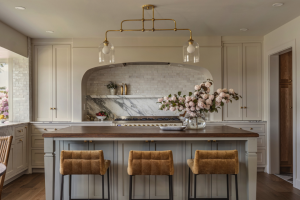
- Kitchen: Under-cabinet lighting is invaluable. Pendant lights over an island or dining nook are also essential.
- Living Room: A reading lamp next to a sofa or armchair is a must. A floor lamp can provide additional ambient light and direct light where needed.
- Bedroom: Bedside lamps are crucial for reading and avoiding bumping into things in the dark.
- Home Office: A good desk lamp is non-negotiable.
Showcase What You Love
Look around your room. Is there a piece of art you admire? A beautiful plant? An interesting architectural feature? These are prime candidates for accent lighting.
- Art: Consider picture lights or small spotlights directed at the artwork.
- Shelving: Small LED strips can highlight books and decorative objects.
- Architectural Features: Uplights placed behind a large plant or at the base of an interesting wall texture can create dramatic shadows.
Think About the Fixtures Themselves
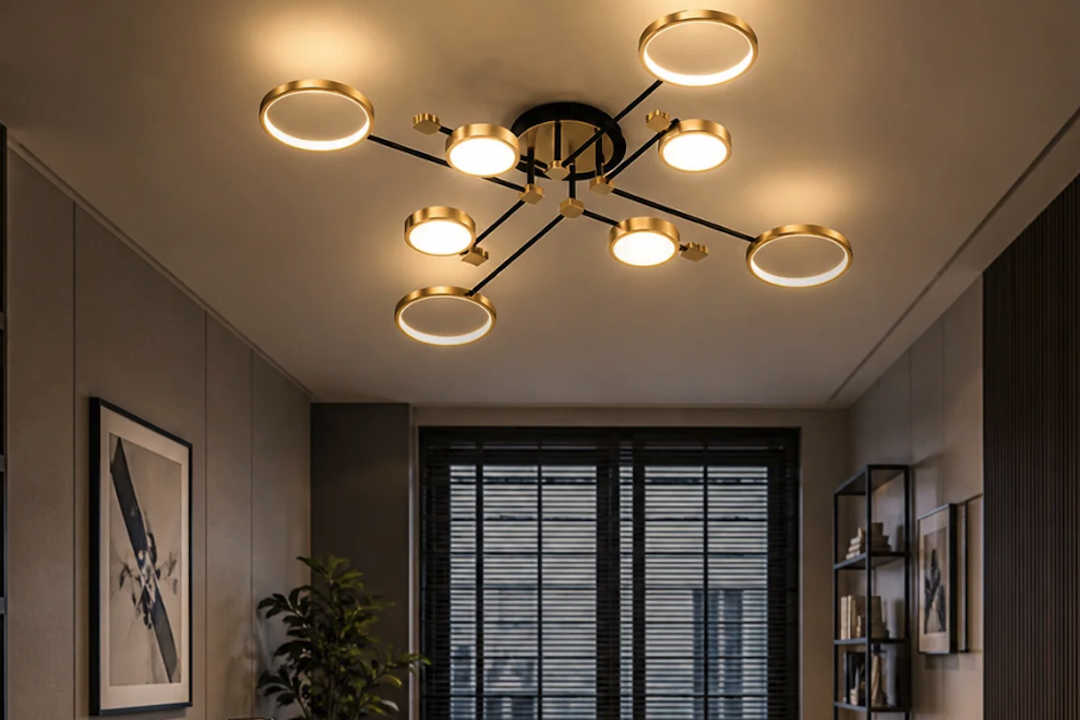
Don’t underestimate the decorative power of your light fixtures. A beautiful chandelier can be a statement piece, while a unique table lamp can add personality to a corner.
Smart Choices for Layered Lighting
Making smart choices about bulbs, dimmers, and fixture placement can elevate your layered lighting even further.
The Importance of Bulb Choice
Not all bulbs are created equal. The color temperature and brightness matter a lot.
- Color Temperature (Kelvin): Lower Kelvin numbers (around 2700K-3000K) produce a warm, cozy light, similar to incandescent bulbs. Higher numbers (4000K+) produce cooler, bluer light, which is better for task lighting or spaces where you need to feel alert.
- Brightness (Lumens): This measures how much light a bulb produces. For ambient light, you’ll need more lumens than for a task light.
- Dimmability: Opt for dimmable bulbs and fixtures wherever possible. This gives you incredible control over the intensity and mood of the light.
The Power of Dimmers
Dimmers are perhaps the single most effective tool for layering light. They allow you to adjust the intensity of your ambient and even some task lights, instantly changing the mood of a room. Installing dimmers on your main ceiling lights and on lamps is a relatively simple upgrade that pays dividends in flexibility.
Placement is Key
Where you put your lights matters just as much as what kind of lights you use.
- Avoid Glare: Position task lights so they don’t shine directly into your eyes or create glare on screens.
- Highlight, Don’t Wash Out: Accent lights should illuminate a specific feature, not flood the entire wall.
- Consider Flow: Think about how light will interact with furniture and traffic patterns in the room.
Natural Light Integration
Don’t forget about natural light! Layered lighting is about supplementing and enhancing what you already have.
- Maximize Daylight: Use sheer curtains or blinds that allow natural light to enter while providing privacy.
- Daytime Adjustments: Even with layered lighting, you might find you need less artificial light during the day. Smart home systems can help automate this.
By consciously considering these elements, you can move beyond the single, glaring overhead light and create a home that feels not just lit, but truly alive with light. It’s a practical approach that significantly enhances comfort, functionality, and aesthetics.